Table-side, counter, and online ordering, all under one processor that keeps up with however your restaurant runs — quick-service, full-service, or multi-location, with transparent pricing.
Get Your Rate ReviewRestaurants run on more moving parts than most processors account for: table-side and counter POS terminals, tip adjustments that need to post correctly, split checks and multiple tender types on one table, and online orders that have to reconcile with in-house sales. Argent consolidates dine-in, counter, and online ordering — all of it — into one processing setup instead of three vendors managing three different systems.
Argent processes payments for restaurants across categories, including:
We explain every line item on your merchant statement before you sign anything.
Payroll and food costs don't wait — your funding timeline is set to match your business, not a one-size-fits-all schedule.
You'll have one named person on your account team who knows your business — not a rotating call center.
POS systems, table-side terminals, and wireless checkout that keep up with how you serve.
Argent handles the transition, with minimal downtime for your service.
One location or a growing group, the setup scales with you.
Wondering how much you could save?Schedule a quick call and we'll walk through your pricing together.
Get My Rate ReviewThe same five issues come up again and again for restaurants shopping for a processor.
Markups, tiered pricing, and card-brand fees stack up in ways that aren't obvious until the statement arrives.
Slow card readers and limited tap-to-pay support push guests to wait longer at the table, slowing turnover during a rush.
When your POS and payments aren't talking to each other, reconciling tips and tender types becomes manual work at close-out.
Without fraud screening in place, disputes from delivery and online orders show up after the sale is already gone.
Processor, gateway, POS provider, online ordering platform — one problem can mean four different phone calls.
Every card tap, swipe, or online order goes through the same basic chain before the money lands in your account. Here's what actually happens, and where the fees come from.
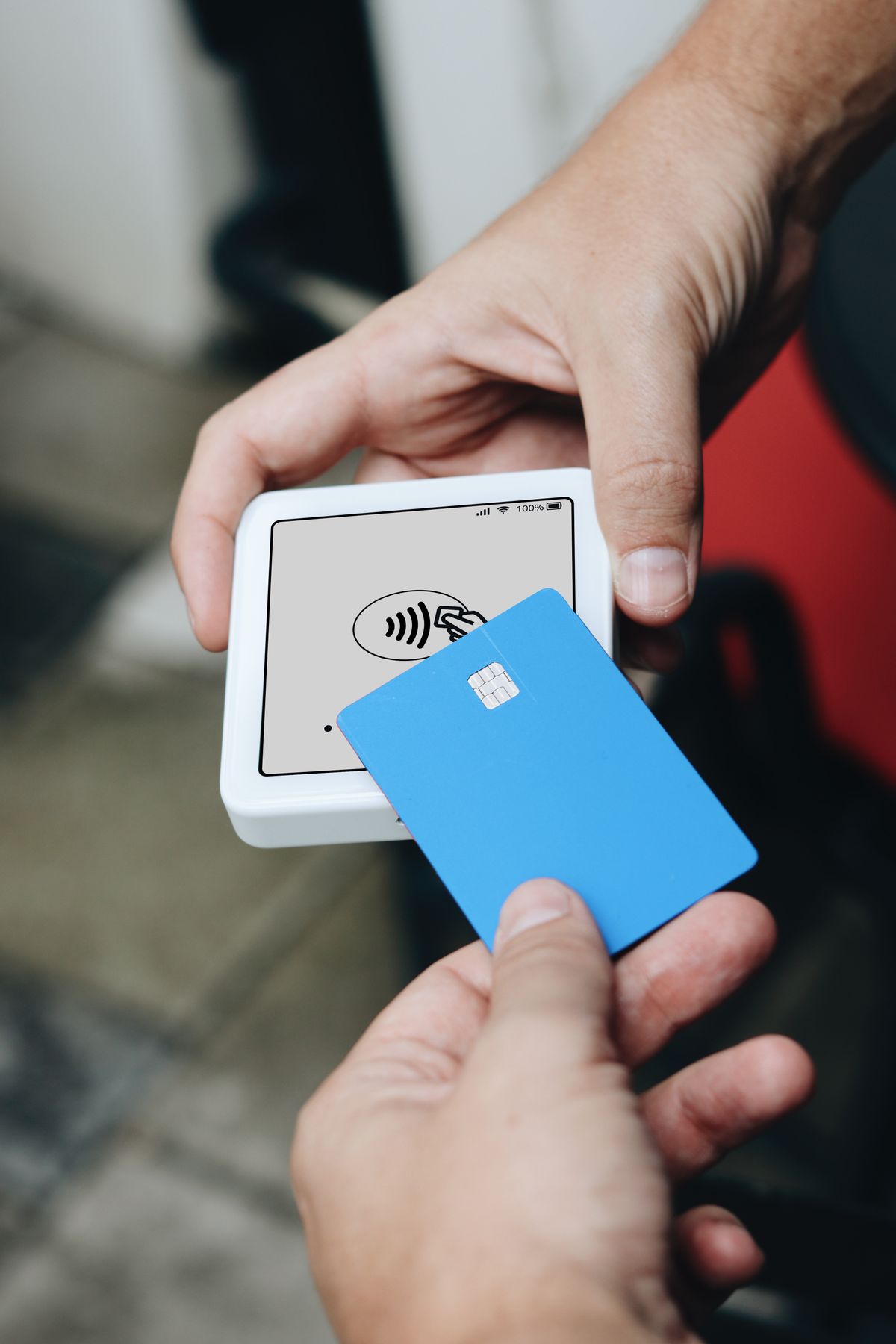
Restaurant payment processing is the financial and technical infrastructure that moves funds from a guest's debit or credit card — card-present (CP) at the table or counter, or card-not-present (CNP) for online and delivery orders — to your business bank account, through authorization, batch settlement, and deposit.
When a guest pays, their card issuer approves or declines the transaction in real time — checking the card is valid, has funds available, and isn't flagged for fraud. This happens in one to two seconds, whether the sale is at the table, the counter, or online.
Interchange is the fee set by Visa, Mastercard, and the other card networks on every transaction — not by Argent or any processor. It varies by card type (rewards cards cost more to accept than basic debit) and by how the card is presented.
On top of interchange, your processor adds its own markup. With Interchange-Plus pricing, that markup is one disclosed percentage and per-transaction fee, visible on every statement — instead of tiered or flat-rate pricing that blends the network's real cost and the markup into one number you can't audit.
After authorization, transactions are grouped into a batch and sent to the card networks for settlement, usually once a day. This batch settlement is when a sale moves from "approved" to actually being processed for payment.
Once settlement clears, funds move to your business bank account — typically the next business day, depending on your processor's funding schedule and your bank's cutoff times.
Your point-of-sale system and your payment processor are two separate pieces of software. When they're integrated well, a check closes out, the kitchen ticket clears, and the payment processes in one motion.
PCI DSS is the security standard every business that accepts cards has to follow, covering how card data — including tip amounts entered at the table — is transmitted, stored, and protected, whether it's an EMV chip insert, a contactless (NFC) tap, or a mobile wallet like Apple Pay or Google Pay. Your processor handles most of the technical requirements, but every restaurant still owns the basics.
That's the full chain behind every transaction — and most restaurant owners only ever see the last line on their statement. Argent's role isn't just to move that transaction; it's to make sure you understand what you're paying, why you're paying it, and whether a different pricing structure could save you money as your business grows.

Off-premise ordering and contactless payment have reshaped how restaurants get paid.
of consumers prefer contactless or mobile payments when dining out.
of restaurant sales are projected to come from off-premise channels like delivery and takeout by 2026, up from 29%.
of adults order restaurant delivery at least once a week.
If any of these sound familiar, it's worth getting a second opinion on your current setup.
I'm paying too much.
A statement review usually turns up markup that was never clearly disclosed. We'll show you the real comparison, line by line.
My processor is impossible to reach.
You get a named person on your account team, not a support queue that starts over every call.
Tips never post correctly.
Tip adjustments should reconcile automatically at close-out. If your staff is hand-correcting totals every night, that's a setup problem, not something you have to live with.
My POS doesn't integrate with my processor.
Argent works with your existing point-of-sale — processing and POS are separate decisions, so switching one doesn't mean replacing the other.
I don't understand my statement.
Every fee is disclosed in writing before you sign, and we'll walk through exactly what you're being charged and why.
Before choosing a payment processor for your restaurant, make sure it offers:
Checked every box?Every item on this list is something Argent already provides for restaurants.
Get Your Rate ReviewA restaurant runs on repeat guests, not just first-time visits. Argent securely stores card-on-file information so returning guests can check out faster — and gives you the foundation for repeat-visit and membership-style programs without handling sensitive card data yourself.
Curious how card-on-file storage could fit your restaurant?Ask about it on your rate review call.
Get Your Rate ReviewMost restaurants don't know if their processing costs are competitive. A short call, no statement required — we'll review your current setup and tell you honestly, with no sales pressure.
Schedule My Call Transparent Pricing · No Long-Term Contract · PCI DSS Compliant · A Real Person On Your AccountThere's no single number. Your cost depends on your card mix (debit vs. rewards cards), how orders come in (table-side and counter vs. online and delivery), and your monthly volume. With Interchange-Plus pricing, the network's cost is broken out separately from Argent's pricing, and everything is disclosed in writing before you sign — not a blended rate that hides what's actually happening underneath.
Interchange is the wholesale cost that Visa, Mastercard, and the other networks charge on every transaction — set by the card brands and paid to the guest's card-issuing bank, not to Argent or any processor. It varies by card type, with rewards and business cards typically costing more to accept than basic debit. Flat-rate and tiered pricing blend all of that into one number so you can't tell how much is the real network cost and how much is added on top. Interchange-Plus pricing keeps them separate, so your statement shows the actual interchange rate for each transaction alongside Argent's pricing.
Often, yes. Send us a recent statement and we'll calculate your effective rate — total fees divided by total processing volume — and compare it against the actual interchange schedule for your card mix. That tells us exactly how much you're currently paying on top of the real network cost, not just what your processor advertised when you signed up. If Argent can offer meaningfully better pricing, we'll show you the math side by side. If we can't, we'll tell you directly instead of quoting a number we can't actually honor.
No. Argent is month-to-month, with no long-term contract and no early termination fee. This matters most if you're currently stuck: a lot of frustration with existing processors comes from multi-year contracts with steep cancellation penalties, or auto-renewal clauses that lock you in without you noticing. If you're evaluating a switch, ask your current provider directly what it would cost to leave — that number is often the real reason switching feels harder than it should.
The ones we see most often: PCI non-compliance fees (charged monthly if you haven't completed a compliance questionnaire, even if your setup is secure), monthly minimum fees (charged when your volume doesn't hit an assumed target), batch fees (charged each time your day's transactions settle), statement or paper fees, and annual "PCI assessment" fees that show up once a year with little explanation. None of these are illegal — but they're often not clearly explained when you sign up. When we review a statement, we walk through each fee line by line so you know exactly what you're paying for and whether it's negotiable.
Often, yes. Many countertop terminals and POS-integrated card readers can be reprogrammed to run on Argent's processing instead of being replaced outright — this is usually the biggest factor in how smooth a switch feels, since your servers aren't relearning new hardware mid-shift. Send us your terminal model and POS setup and we'll confirm compatibility before you commit to anything, including whether reprogramming is possible or replacement makes more sense.
Yes, for the terminals and POS hardware your payments actually run through — leasing is available through the equipment partner we work with, separate from Argent's own processing agreement. This is specifically for payment hardware, not broader business financing, which isn't something we offer. If your current equipment lease is part of what's locking you into your existing processor, that's worth raising directly on your rate review call — sometimes the equipment lease, not the processing agreement, is the harder contract to exit.
We coordinate a replacement or repair through our equipment partner so you're not stuck without a way to take payments during service. Depending on the issue, that might mean an express replacement unit or a technician-guided fix over the phone — the goal is getting you back to closing out tables quickly, not leaving you improvising with a phone card reader while a support ticket sits in a queue.
We support a large variety of restaurant POS systems and processing front-ends. Processing and POS are two separate decisions — your point-of-sale software (menu management, kitchen tickets, table and tab tracking) doesn't have to change just because your payment processor does. Tell us what you're currently running and we'll confirm compatibility and walk through what integration actually looks like before you sign anything.
The goal is zero disruption to how guests pay. Most restaurants keep their existing POS and either reprogram their current terminal or swap in a compatible one, so the experience for your servers and counter staff barely changes. The real work happens behind the scenes — setting up your merchant account, confirming equipment compatibility, and scheduling the cutover for a slow shift or off-day so there's no gap in your ability to take payments during service.
Yes — contactless and mobile wallet payments (Apple Pay, Google Pay, tap-to-pay debit and credit cards) are supported on modern terminals as standard, not as an add-on or upcharge. Given how fast contactless usage has grown industry-wide, this isn't optional for restaurants anymore — it's table stakes, at the table or at the counter.
Yes. Custom-branded gift cards run through the same setup as your everyday payments, so you're not managing a separate vendor or reconciling a second system. Gift card sales and redemptions show up in the same reporting as your regular transactions.
Yes — Argent handles card-present (table-side and counter) and card-not-present (online ordering and delivery) processing under one account, so you're not running two systems from two providers with two sets of fees and two statements to reconcile. Dine-in, online, and delivery sales report together, which matters most for restaurants juggling multiple ordering channels.
That's mainly a POS and online-ordering integration question rather than a payments-processing one — the transaction itself processes the same way regardless of pickup or delivery method. We'll help confirm your POS and online ordering platform are set up to support pickup order flows correctly, since that's usually about how your systems talk to each other, not about how the card is charged.
Yes — multi-location restaurant groups get consolidated reporting across every location under one merchant relationship, instead of managing separate accounts, separate statements, and separate support contacts location by location.
That's common in food service — lunch and dinner rushes, patio season, holiday party volume, or a slow month in the off-season. Argent's setup doesn't penalize you for volume swings the way a monthly-minimum fee structure can, and your account is built around your actual business pattern rather than a flat assumption of steady daily volume.
Most restaurants are live within about a week of that first call, though the exact timeline depends on your current equipment, POS setup, and how quickly your business information can be underwritten. We'll give you a specific timeline on your rate review call once we know your setup, rather than a generic estimate that may not match your situation.
Your funding timeline is set to match your business and volume, and disclosed upfront before you sign — we don't publish one blanket number because funding speed depends on factors like your processing history, industry risk category, and banking relationship. Payroll and food costs don't wait, so ask directly on your rate review call and we'll give you the real answer for your business, not a marketing number that may not apply.
A chargeback happens when a cardholder disputes a transaction directly with their bank rather than with you — the funds are pulled back automatically while the dispute is investigated, often with a fee attached regardless of outcome. Disputes are especially common on delivery and online orders, where the card isn't physically present. Every Argent transaction is screened with AVS (address verification), CVV matching, and tokenization before it settles, which catches a meaningful share of fraudulent or mistaken charges before they become disputes. When a chargeback does happen, you'll have a real point of contact to help you respond with the right documentation, instead of navigating your bank's dispute portal alone.
PCI DSS is the security standard every business that accepts cards has to follow, covering how card data — including tip amounts entered at the table — is transmitted, stored, and protected. Every Argent setup is PCI DSS compliant, with encryption and fraud monitoring built into the processing itself — we handle the technical requirements and walk you through the annual self-assessment questionnaire, rather than leaving you to figure out compliance on your own and then charging a non-compliance fee when you don't.
None. The rate review call is a statement comparison and a conversation, not a sales pitch with pressure to sign on the spot. If we can't do meaningfully better for your business than what you're paying now, we'll say so directly — and you'll still walk away knowing exactly what you're currently being charged and why, which is often the more valuable outcome anyway.
You can still get a statement review and rate comparison now, even if you're not ready to switch immediately — that way you know exactly what a change would save you once your current agreement allows it. If you're unsure what your contract actually requires (many auto-renew or have cancellation windows that are easy to miss), we can help you understand what to look for, and time the switch so you're not paying two providers or an early termination fee unnecessarily.