Unattended kiosk payments for independent charging sites — built for retail centers, hotels, and fleet depots adding charging as a side business, not the big networks running their own payment stacks.
Get Your Rate ReviewThis page is built for independent site hosts adding EV charging as a side business, such as a retail center, a hotel, a fleet depot, or an apartment complex. If you're hosting a handful of charging stalls alongside your core business, the payment setup that matters most is unattended kiosk processing that works without staff present, per-session billing, and support for repeat EV-driver membership plans. Argent consolidates all of it into one processing setup instead of a proprietary system built for a network you're not part of.
The right EV charging payment solutions depend on how your drivers pay: a card reader at the charger, a network app or RFID card, fleet invoicing, or a mix. The sections below cover each one, along with session pricing, pre-authorization holds, federal NEVI payment rules, and what to look for in outdoor payment hardware.
Argent processes payments for independent EV charging site hosts, including:
We explain every line item on your merchant statement before you sign anything.
Your funding timeline is set to match your business, not a one-size-fits-all schedule.
You'll have one named person on your account team who knows your business — not a rotating call center.
Outdoor-rated, unattended kiosk equipment built for stations without staff nearby.
Argent handles the transition, with minimal downtime for your charging stalls.
A couple of stalls or a full site build-out, the setup scales with you.
Wondering how much you could save?Schedule a quick call and we'll walk through your pricing together.
Get My Rate ReviewThe same five issues come up again and again for EV charging site hosts shopping for a processor.
When a payment fails at a kiosk with nobody nearby, a driver just leaves — there's no front-desk staff to manually key in a charge or offer a workaround.
When your charging-network software tracks sessions separately from what your processor actually settled, reconciling revenue against station usage becomes manual work.
Outdoor, unattended equipment has to handle weather, connectivity gaps, and card-present transactions without any of the safeguards a staffed register has.
A driver disputing a session length or a failed charge needs clear session-log documentation to fight effectively, not just a card receipt.
Charging-network software, kiosk hardware, payment processor — one problem can mean three different phone calls.
Every charging-session charge or membership renewal goes through the same basic chain before the money lands in your account. Here's what actually happens, and where the fees come from.
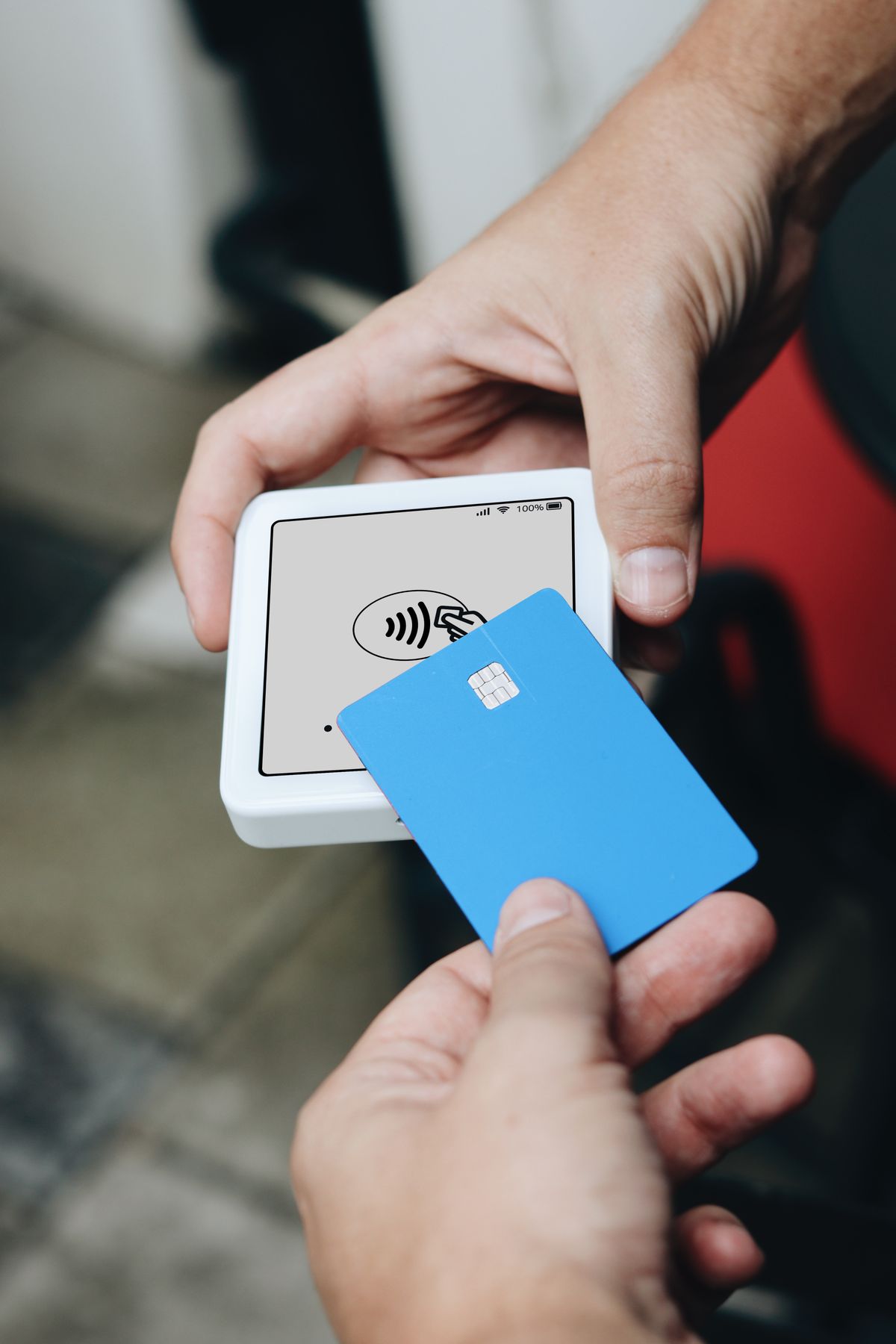
EV charging site payment processing is the financial and technical infrastructure that moves funds from a driver's debit or credit card — tapped or inserted at an unattended kiosk — to your business bank account, through authorization, batch settlement, and deposit.
When a driver pays for a charging session, their card issuer approves or declines the transaction in real time — checking the card is valid, has funds available, and isn't flagged for fraud. This happens in one to two seconds, even at an unattended outdoor kiosk.
Interchange is the fee set by Visa, Mastercard, and the other card networks on every transaction — not by Argent or any processor. It varies by card type, with rewards and business cards typically costing more to accept than basic debit.
On top of interchange, your processor adds its own markup. With Interchange-Plus pricing, that markup is one disclosed percentage and per-transaction fee, visible on every statement — instead of a flat per-session fee that blends the network's real cost and the markup into one number you can't audit.
After authorization, transactions are grouped into a batch and sent to the card networks for settlement, usually once a day. This is when a charging-session charge moves from "approved" to actually being processed for payment.
Once settlement clears, funds move to your business bank account — typically the next business day, depending on your processor's funding schedule and your bank's cutoff times.
Your charging-network software and your payment processor are separate systems. When they're integrated well, a per-session charge and a membership renewal both process through the same account instead of two disconnected systems you reconcile by hand.
PCI DSS is the security standard every business that accepts cards has to follow, covering how card data is transmitted, stored, and protected — whether it's an unattended kiosk, a tap-to-pay reader, or a membership charge run automatically. Your processor handles most of the technical requirements, but every site host still owns the basics.
That's the full chain behind every transaction — and most independent site hosts only ever see the last line on their statement. Argent's role isn't just to move that transaction; it's to make sure your unattended equipment is set up correctly for a side-business revenue stream, not a generic retail profile that assumes staff are present.
A charging site can take payment several ways, and most sites end up supporting more than one. Each method routes money differently, which decides who processes the payment, who carries the chargeback, and how much of each session reaches your account. Choosing EV charging payment solutions starts with knowing which of these your drivers will use.
A payment reader mounted on the charger, or on a shared kiosk serving several stalls, lets any driver tap a contactless card or phone, or insert a chip card, and start charging without downloading an app or creating an account. This is the method that works for rental-car drivers, out-of-town visitors, and anyone whose phone is dead. Those transactions run through your merchant account, so this is where your processing rate and funding schedule matter most.
Many drivers pay through a charging network’s app or tap an RFID card tied to an account with a stored card. In that case the network usually processes the payment and pays the host its share under the network agreement, so those sessions may not touch your merchant account at all. Read that agreement closely: the fee split, payout timing, and who handles disputes vary widely.
Plug and Charge, based on the ISO 15118 standard, lets a compatible vehicle identify itself with a digital certificate when it is plugged in, so the session is billed to the driver’s account with no tap or app. It needs support from the vehicle, the charger, and the backend software, and only some combinations support it today. It supplements a card reader rather than replacing one.
OCPP (Open Charge Point Protocol) is the open standard most chargers use to talk to the management software that starts sessions, sets prices, and records energy delivered. Roaming agreements, often built on protocols such as OCPI, let a driver with one network’s account start a session on another network’s charger, with the networks settling between themselves. For a host, the practical point is that roaming revenue and direct card revenue arrive through different channels, and your session logs should tie both back to each stall.
If your chargers are funded through the federal National Electric Vehicle Infrastructure (NEVI) Formula Program, the program’s minimum standards (23 CFR Part 680, issued by the Federal Highway Administration) set payment rules. They include a contactless method that accepts major credit and debit cards, a second option to start and pay for a session by toll-free phone number or text message, no membership requirement to charge, and a price shown in dollars per kWh before the session starts, with any other fees disclosed. Many state grant programs add their own conditions. Program guidance has been revised since the rule was issued, so confirm the current requirements with your state DOT before choosing hardware for a funded site.
Independent charging infrastructure is expanding fast as retail centers, hotels, and fleet depots add stalls alongside their core business, and virtually every session is paid by card or tap.
new DC fast-charging ports added across the US in 2025 alone — roughly 30% year-over-year growth.
projected compound annual growth rate for the U.S. EV charging market from 2025 to 2030.
public fast-charging sessions in the US in 2025, up about 30% year over year.
If any of these sound familiar, it's worth getting a second opinion on your current setup.
I'm paying too much on per-session card fees.
A statement review usually turns up markup that was never clearly disclosed. We'll show you the real comparison, line by line.
My charging network's built-in payments cost too much.
Argent can often process behind your existing charging-network software at a lower blended rate than the network's own built-in processing — without replacing the network software itself.
I'm a small site host being priced like a national network.
You shouldn't be. Argent prices independent site hosts — a few stalls alongside a retail center, hotel, or depot — differently than a large charging network running its own payment stack.
My charging-network software doesn't talk to my payment processor.
Argent works with your existing charging-network management software as a separate decision — switching one doesn't mean replacing the other.
I don't understand my statement.
Every fee is disclosed in writing before you sign, and we'll walk through exactly what you're being charged and why.
Sites price charging in a few ways, often in combination. Per-kWh pricing charges for the energy delivered, which drivers find fairest. A per-session fee covers the cost of starting a session. Per-minute pricing is common where a site wants to keep stalls turning over. Idle fees charge by the minute once the battery is full and the car is still parked, usually after a short grace period. Whether a host that isn’t a utility can sell electricity by the kWh, and which metering-accuracy rules apply, is decided state by state. Most states now allow it, but check with your state utility commission and weights-and-measures office before you set rates.
When a driver taps a card, nobody knows yet what the session will cost. The reader places a pre-authorization hold for an estimated amount, and when the session ends the actual charge is captured and the rest of the hold is released. Set the hold too low and a long session can run past what was authorized. Set it too high and a debit-card driver sees a large amount frozen in their bank account, which drives complaints and disputes. The issuing bank controls how quickly an unused hold drops off, and it can take several days. Size the hold to a realistic maximum for your chargers and pricing, capture the final amount promptly, and print the hold policy on the charger screen.
Fleet depots and workplace programs rarely want a tap per session. A fleet operator usually wants every session tied to a vehicle or driver and billed as one monthly invoice, and an employer may cover employee charging or bill it back through payroll or reimbursement. A card stored in a customer vault handles recurring charges, electronic invoicing handles monthly statements, and ACH payments cut the cost of large fleet invoices. Fleet fuel cards run on their own networks, so if fleet customers want to use them, confirm your reader and processor support those specific cards.
A charger’s card reader has to work for years outdoors with nobody watching it. When you compare readers, check that:
Session logs are also your best chargeback evidence. A record of the start and stop time, kWh delivered, and the price shown on screen answers most “I didn’t get a full charge” disputes. For how card data security works on unattended equipment, see what PCI compliance means for small businesses.
Before choosing a payment processor for your EV charging site, make sure it offers:
Checked every box?Every item on this list is something Argent already provides for EV charging site hosts.
Get Your Rate ReviewAn EV charging site increasingly earns repeat revenue from regular drivers, not just one-off sessions. Argent securely stores card-on-file information so membership plans and subscription charging bill automatically — without your site handling sensitive card data at the kiosk itself.
Curious how membership billing could fit your site?Ask about it on your rate review call.
Get Your Rate ReviewMost EV charging site hosts don't know if their processing costs are competitive. A short call is all it takes; send a recent statement if you have one handy. We'll review your current setup and tell you honestly, with no sales pressure.
Schedule My Call Transparent Pricing · No Long-Term Contract · PCI DSS Compliant · A Real Person On Your AccountThere's no single number. Your cost depends on your card mix, session volume, and average session size. With Interchange-Plus pricing, the network's cost is broken out separately from Argent's pricing, and everything is disclosed in writing before you sign.
Yes. Large networks run their own proprietary payment infrastructure as part of a much bigger business. This page is built for independent site hosts — a retail center, hotel, or depot adding a handful of stalls — who need standard merchant processing, not a national network's payment stack.
Often, yes. Send us a recent statement and we'll calculate your effective rate — total fees divided by total processing volume — and compare it against the actual interchange schedule for your card mix.
No. Argent is month-to-month, with no long-term contract and no early termination fee.
Common ones include PCI non-compliance fees, monthly minimum fees, batch fees, statement or paper fees, and annual PCI assessment fees. Argent reviews statements line by line so you know exactly what you're paying for and whether it's negotiable.
Argent supports integration with a variety of charging-network platforms. Processing and your station-management software are two separate decisions — your network dashboard and session tracking don't have to change just because your payment processor does.
Often, yes — many kiosk payment terminals can be reprogrammed to run on Argent's processing instead of being replaced outright. Send us your current terminal make and model and we'll confirm compatibility before you commit to anything.
Yes, for the kiosk payment terminals your charges actually run through, leasing is available through Argent's equipment partner. Equipment lease terms are separate from Argent's month-to-month processing agreement and are disclosed before you sign.
Argent coordinates a replacement or repair through its equipment partner so a broken payment terminal doesn't take a working charging stall out of service.
The goal is zero disruption to charging itself. Most sites keep their existing station hardware and network software and either reprogram the payment terminal or swap in a compatible one, with account setup scheduled around your site's traffic pattern.
Yes — a securely stored card on file lets membership plans and subscription charging run automatically instead of a driver re-entering payment details at every visit.
Without an account updater, an expired or reissued card simply fails at the next billing date, which means a missed payment and a manual follow-up. An automatic card updater can refresh many of those cards before they fail.
Yes — contactless and mobile wallet payments are supported on modern kiosk terminals as standard, not as an add-on or upcharge.
Yes — Argent can consolidate one-off session charges and recurring fleet or membership billing under one merchant account, so you're reconciling one system instead of two.
Yes — multi-site hosts get consolidated reporting across every location under one merchant relationship, instead of managing separate accounts and statements site by site.
That's common for a side-business charging site. Argent's setup doesn't penalize volume swings the way a monthly-minimum fee structure can, and your account is built around your actual usage pattern.
Usually, yes. App and RFID payments only work for drivers who already have an account with that network. A contactless and chip card reader at the charger lets any driver pay, including visitors and rental-car drivers. Chargers funded through the federal NEVI program must accept major credit and debit cards by contactless payment and also offer a toll-free phone or text-message payment option.
Because the cost of a session isn't known when it starts. The reader places a pre-authorization hold for an estimated amount, then captures the actual charge when the session ends and releases the rest. The driver's bank controls how quickly the unused portion drops off, so the hold should be sized to a realistic maximum session, not an arbitrary high number.
In most states, yes, but whether a site host that isn't a utility can sell electricity by the kWh, and which metering-accuracy rules apply, is set state by state. Check with your state utility commission and weights-and-measures office before setting per-kWh rates.
The NEVI minimum standards (23 CFR Part 680) call for a contactless method that accepts major credit and debit cards, plus a toll-free phone number or text-message option to start and pay for a session, with no membership required and pricing displayed in dollars per kWh. Confirm current requirements with your state DOT, since program guidance has been revised.
Plug and Charge, based on ISO 15118, lets a compatible vehicle authenticate itself when plugged in and bill the session to the driver's account automatically. It depends on support from the vehicle, charger, and backend software, so it works alongside a card reader rather than replacing one.
Most sites are live within about a week of the first call, though the exact timeline depends on your current equipment, charging-network software, and underwriting. We'll give you a specific timeline once we know your setup.
Your funding timeline is set to match your business and volume, and disclosed upfront before you sign, since funding speed depends on processing history, risk category, and banking relationship.
A chargeback happens when a cardholder disputes a transaction directly with their bank rather than with you — funds are pulled back automatically during investigation. Chip and tap charges at the charger carry a one-time EMV or contactless cryptogram, and Argent encrypts card data in transit and tokenizes it after capture. AVS and CVV checks apply to card-not-present and card-on-file charges, such as membership renewals. Clear session-log documentation from your charging-network software helps you fight disputes when they come in.
PCI DSS is the security standard every business that accepts cards has to follow, covering how card data is transmitted, stored, and protected. Every Argent setup is PCI DSS compliant, with encryption and fraud monitoring built into the processing, and we walk you through the annual self-assessment questionnaire.
None. The rate review call is a statement comparison and a conversation, not a sales pitch. If we can't do meaningfully better for your business than what you're paying now, we'll say so directly.
You can still get a statement review and rate comparison now, even if you're not ready to switch immediately — that way you know exactly what a change would save once your current agreement allows it.